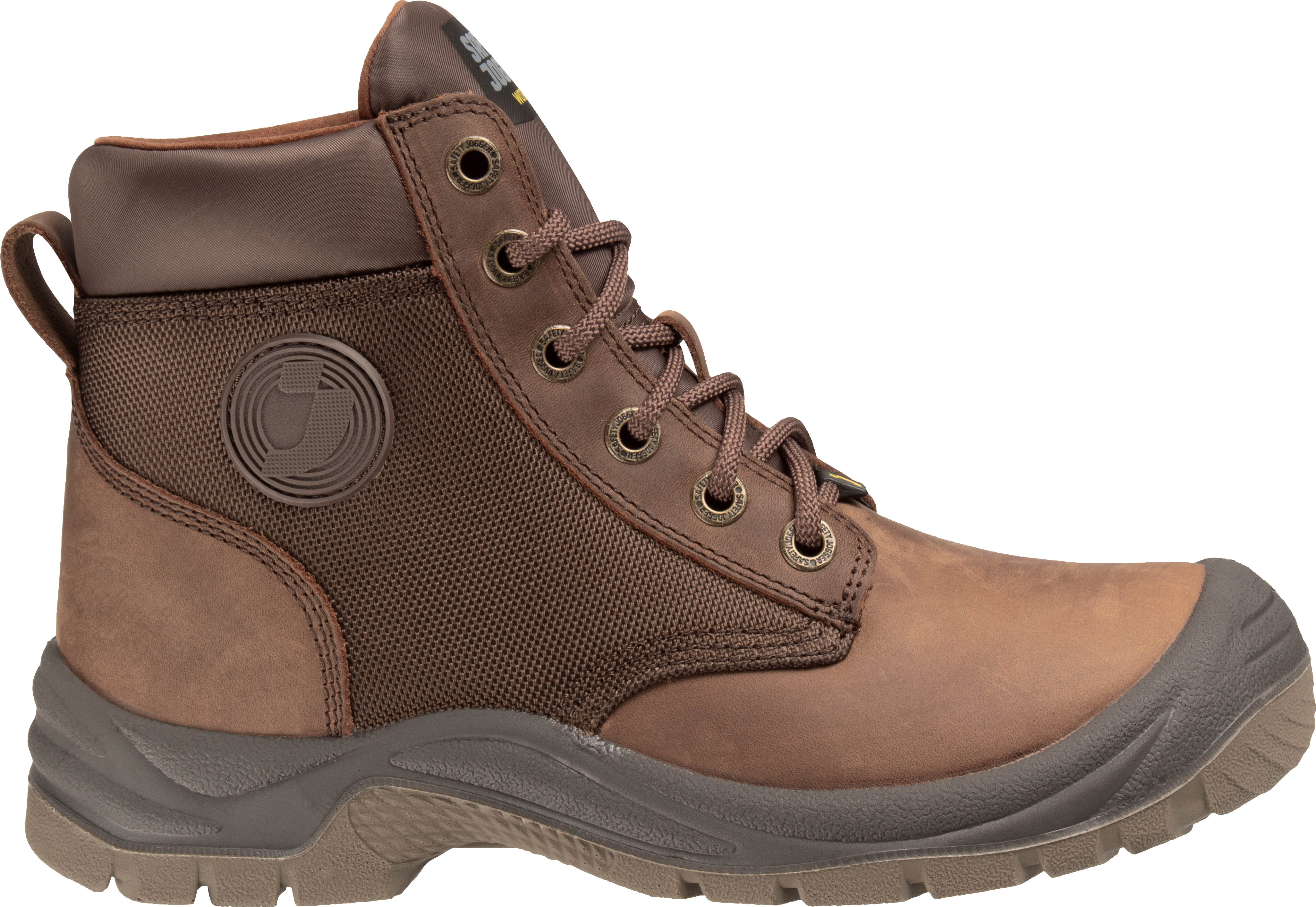
When it comes to workplace safety, one of the most critical pieces of personal protective equipment (PPE) is safety shoes. Whether you work in construction, manufacturing, or any environment where foot injuries are a risk, selecting the right safety shoes is essential. This guide will walk you through what safety shoes are, the different types available, the standards you should look for, and how to use them properly.
What Are Safety Shoes?
Safety shoes are designed to protect your feet from a variety of hazards such as falling objects, sharp items, chemicals, and extreme temperatures. They provide support, reduce fatigue, and ensure comfort during long hours of work. Key features often include reinforced toes (steel or composite), slip-resistant soles, and waterproof or breathable materials.
Types of Safety Shoes
- Steel Toe Shoes: These are the most common type, featuring a steel cap over the toe area to protect against heavy impacts and compression.
- Composite Toe Shoes: Made from non-metal materials like Kevlar or carbon fiber, these shoes are lighter than steel toe shoes and don’t conduct electricity or heat.
- Alloy Toe Shoes: Lighter than steel but as strong, these shoes provide a good balance of protection and comfort.
- Metatarsal Guard Shoes: These shoes provide additional protection over the upper part of the foot, useful in environments where falling objects are common.
- Electrical Hazard Shoes: Designed to reduce the risk of electric shock, these shoes are crucial for electricians and workers in environments with high electrical risks.
- Puncture-Resistant Shoes: Equipped with a plate in the sole, these shoes protect against sharp objects penetrating the bottom of the shoe.
Safety Shoe Standards
When choosing safety shoes, it’s essential to look for products that meet specific safety standards. Here are some of the key standards to consider:
- ASTM F2413: This North American standard specifies performance requirements for protective footwear, including impact resistance, compression resistance, and metatarsal protection.
- EN ISO 20345: The European standard for safety footwear, which includes requirements for toe protection, slip resistance, and other safety features.
- CSA Z195: The Canadian standard that covers criteria for protective footwear including impact, puncture, and electric shock resistance.
- ANSI Z41: Although largely replaced by ASTM standards, this older American standard still appears on some products.
- MS ISO 20345: The Malaysian standard for safety footwear, aligned with international standards to ensure high levels of protection and performance.
How to Choose the Right Safety Shoes
- Assess Workplace Hazards: Identify the specific hazards present in your workplace, such as heavy machinery, electrical risks, or slippery surfaces.
- Determine Comfort Needs: Consider factors like the amount of time spent on your feet, the need for flexibility, and climate conditions (e.g., waterproofing for wet environments).
- Check for Compliance: Ensure the shoes meet relevant safety standards for your region and industry.
- Fit and Size: Proper fit is crucial. Shoes that are too tight can cause discomfort, while loose shoes can be hazardous. Always try on safety shoes with the same type of socks you plan to wear at work.
How to Use Safety Shoes Properly
- Regular Inspections: Check your safety shoes regularly for signs of wear and tear, such as sole separation, holes, or compromised toe caps.
- Cleaning and Maintenance: Keep your safety shoes clean and dry to prolong their lifespan. Follow the manufacturer’s instructions for care.
- Proper Storage: Store your shoes in a cool, dry place away from direct sunlight and chemicals.
- Timely Replacement: Replace your safety shoes as soon as they show significant signs of wear or if they no longer provide adequate protection.
Conclusion
Choosing and using the right safety shoes is vital for maintaining workplace safety and protecting your feet from various hazards. By understanding the different types of safety shoes, the standards they must meet, and how to select and maintain them, you can ensure that your feet are well-protected, comfortable, and supported throughout your workday.
For a wide range of high-quality safety shoes that meet international and Malaysian standards, visit Hanik Enterprise in Shah Alam, Selangor. Our knowledgeable staff is ready to help you find the perfect pair to suit your specific needs. Contact us today or browse our selection online.